
Why Speaking Matters More Than Ever in the Age of AI
For the first time in history, language is no longer a barrier in the way it once was.
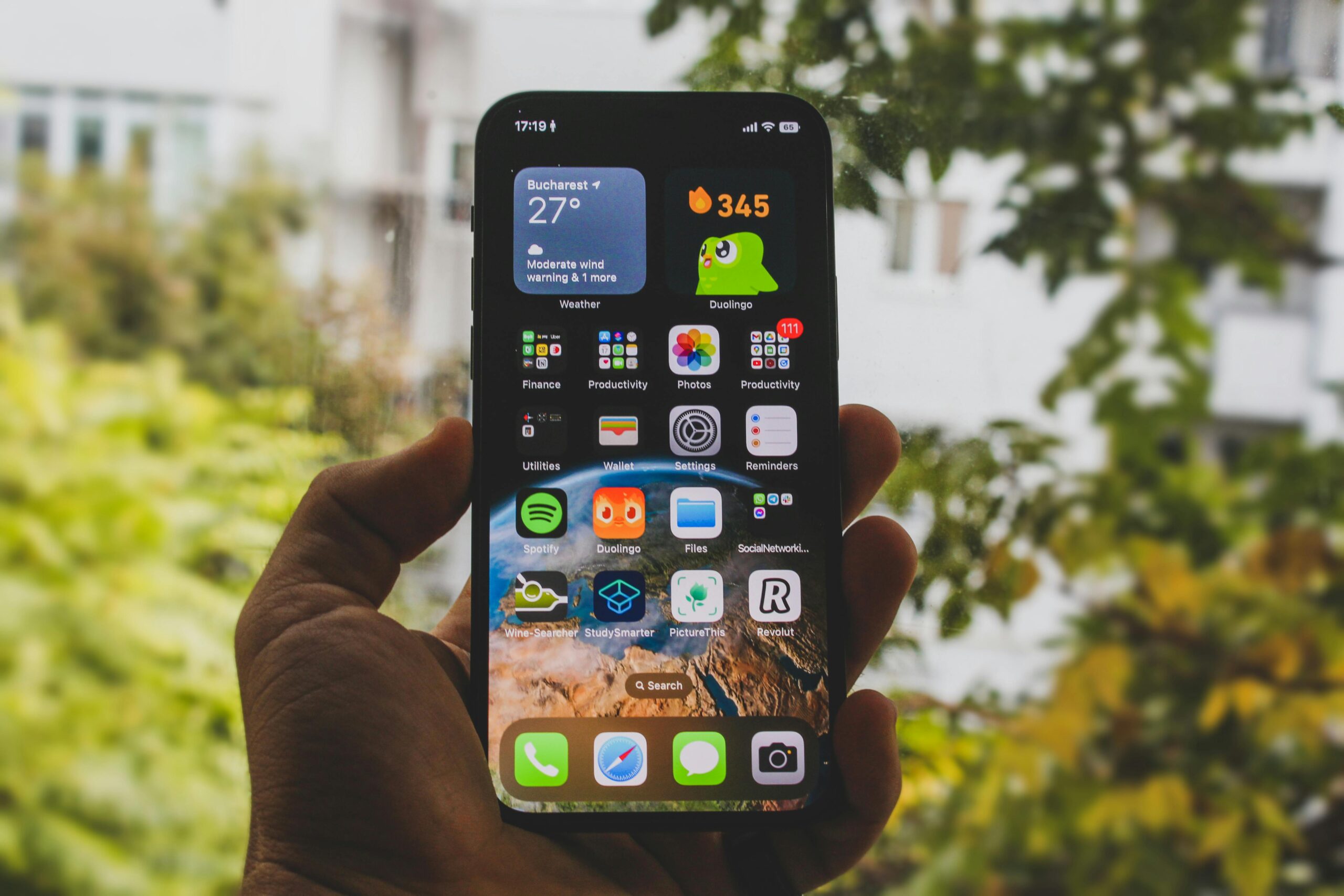
Artificial intelligence can now translate entire documents in seconds. It can generate emails, rewrite presentations, and correct grammar with remarkable accuracy. For many professionals, this raises a reasonable question:
Do we still need to learn languages at all?
It’s a question I hear increasingly often — especially from highly capable professionals working in international environments. If AI can do the translating, what’s left for the human learner?
The answer is both simple and surprisingly old.
More than 200 years ago, the philosopher Immanuel Kant observed that languages are learned best through use.
That insight has not been made obsolete by technology. In fact, it has become more relevant than ever.
Because while AI changes how we handle words, it does not replace how humans communicate.
AI Has Changed the Tools — Not the Nature of Communication
There is no doubt that AI has transformed language learning tools.
Today, professionals can:
- Translate instantly
- Draft messages in multiple languages
- Check grammar and style in real time
- Prepare written content faster than ever before
These tools are valuable. I use them myself.
But what has not changed is how meaning is created in human interaction.
Communication is not the transfer of words from one language to another. It is the negotiation of meaning between people — in real time, under pressure, shaped by context, tone, hierarchy, and intent.
This distinction matters enormously in professional life.
A translated sentence may be correct, but correctness alone does not guarantee understanding, trust, or influence.
Why Speaking Cannot Be Automated
In a recent interview, Professor Hermann Funk, a leading expert in language education, addressed this question directly. His conclusion was clear:
AI may change the tools we use, but fluency still grows through speaking and interaction.
Why?
Because spoken communication requires skills that go far beyond vocabulary and grammar.
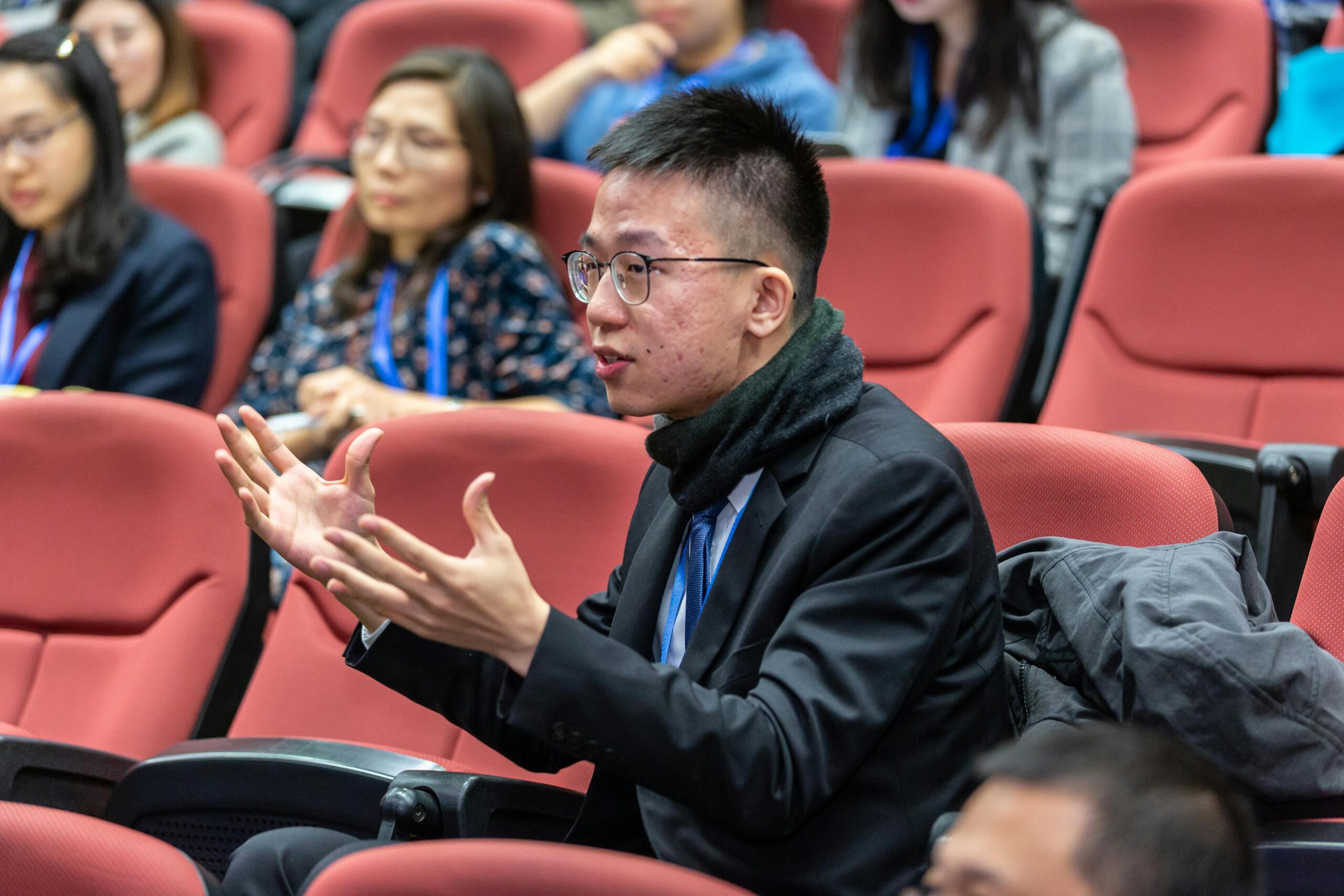
When you speak in real time, you must:
- Read the room
- Adjust your tone
- Respond to unexpected input
- Make decisions under pressure
- Signal confidence, openness, or authority — often within seconds
These are human judgment skills, not linguistic ones.
AI can generate language.
It cannot inhabit a situation.
Why Context Changes Everything
Consider a simple word: really.
In isolation, it seems trivial. But in professional communication, the difference between:
- really
- really, really
- really?
- really…
is enormous.
The meaning shifts depending on:
- Intonation
- Facial expression
- Timing
- Relationship
- Cultural expectations
AI can translate the word.
It cannot reliably interpret or generate the intended meaning in context.
And this is precisely where professionals feel exposed.
Digital Transformation Has Raised the Stakes
In global organisations, English is no longer just a “nice-to-have skill”. It is the operating system of daily work.
Meetings are faster.
Decisions are made live.
Teams are distributed.
Leadership is visible across borders.
In this environment:
- Hesitation is misread as uncertainty
- Over-precision sounds unnatural
- Silence can be misinterpreted
- Confidence is communicated as much through delivery as content
This is why digital transformation often fails not because of technology, but because of communication.
The tools work.
The messages don’t land.
The Hidden Cost of Translation Thinking
Many professionals rely heavily on translation — either mentally or through AI — and don’t realise the cost.
Translation:
- Slows response time
- Increases cognitive load
- Reduces presence
- Weakens authority
When you are translating, you are one step behind the conversation.
True fluency is not about speed.
It is about availability — the ability to respond naturally, appropriately, and confidently when it matters.
This is why professionals who rely only on tools often feel:
- Drained after meetings
- Less persuasive than intended
- Reluctant to speak up
- “Smaller” in English than in their native language
Speaking Builds the Skills AI Cannot Replace
The skills that matter most in professional English are precisely the ones AI cannot automate:
- Turn-taking in live discussions
- Framing ideas diplomatically
- Managing disagreement
- Expressing uncertainty with confidence
- Leading without over-explaining
- Responding when plans change
These skills are embodied.
They are learned through repetition, feedback, and reflection — not through passive consumption.
This is why even the most advanced tools still depend on one thing:
the human voice in context.
Why Learning Through Use Still Wins
Kant’s insight — that languages are learned best through use — aligns closely with modern research in linguistics and cognitive science.
We now know that:
- Speaking activates different neural pathways than reading or listening
- Repeated use strengthens automaticity
- Confidence grows from successful performance, not theoretical knowledge
In other words:
You don’t speak well because you know the rules.
You know the rules because you’ve spoken enough.
AI may accelerate access to language, but it cannot replace this process.
What This Means for Professionals Today
In the age of AI, language learning does not disappear.
It changes focus.
The goal is no longer:
- More vocabulary
- More rules
- More exercises
The goal is:
- Natural response
- Contextual judgment
- Confident presence
- Professional credibility in real time
This is why spoken, contextual practice is not a “traditional” method — it is the most future-proof one.
“Professionals often discover that choosing the right learning structure matters more than consuming more content.” https://natashasfluencyfix.com/insights-structured-learning-vs-personalised-fluency-coaching-choosing-the-right-path-for-your-english/
Fluency Becomes More Human, Not Less
Paradoxically, the more powerful our tools become, the more valuable human communication skills are.
AI handles the mechanical parts.
Humans handle meaning.
This is why I focus my work on contextual, spoken communication — helping professionals move beyond correctness to fluency that works where it counts:
- In meetings
- In presentations
- In leadership moments
- In global collaboration
Language learning in the AI age is not about competing with machines.
It’s about becoming more fully human in how we communicate.
“This is also why gamified language apps struggle to build real speaking confidence beyond basic repetition.” https://natashasfluencyfix.com/insights-why-gamified-apps-dont-build-real-speaking-confidence/